Why Hydrangea Flowers Change Color and What Michigan Gardeners Can Control
Color change starts with the hydrangea variety
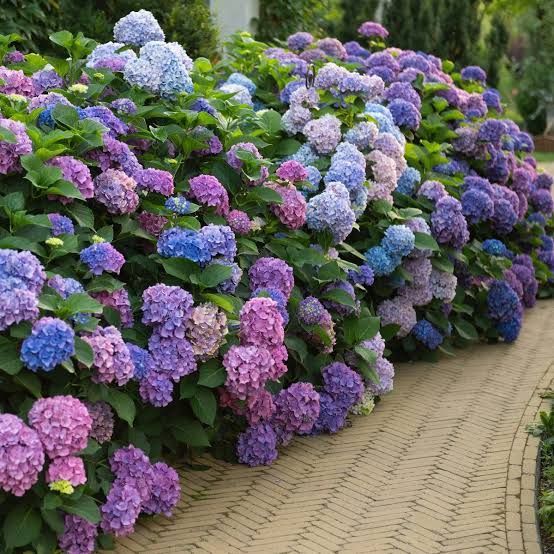
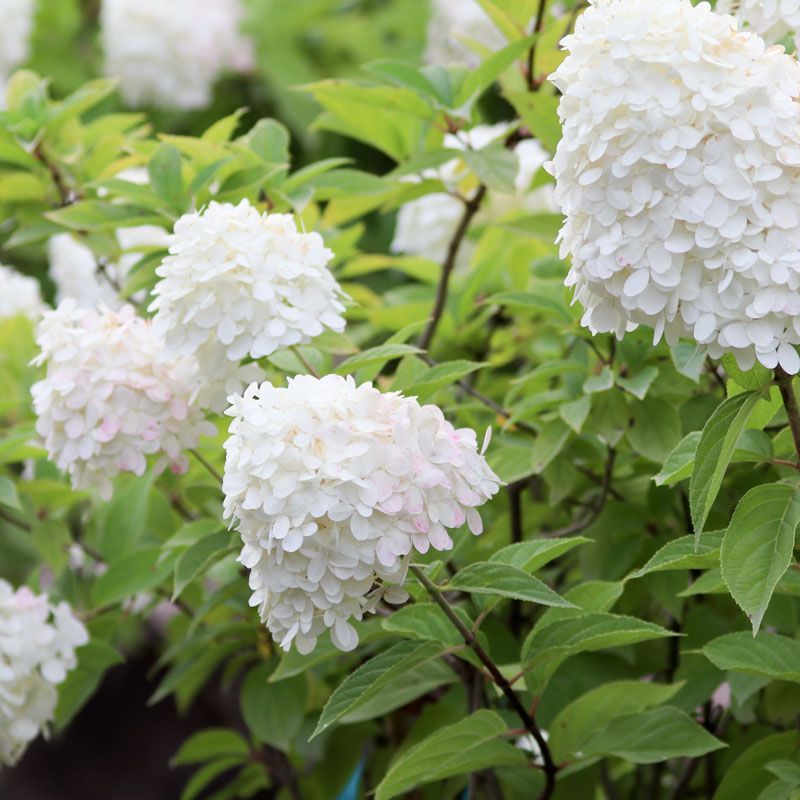
A hydrangea with blue blooms beside one with pink blooms may look as if the soil is doing something dramatic. Sometimes it is. But flower color is influenced first by the kind of hydrangea you have. Many bigleaf hydrangeas (Hydrangea macrophylla) and some mountain hydrangeas can produce blue, purple or pink flowers depending on cultivar and growing conditions. White-flowered types such as smooth hydrangea ‘Annabelle’ and panicle hydrangea ‘Limelight’ do not turn blue or pink in response to soil pH; their flowers may age to green or blush tones as they mature.
Before trying to change bloom color, identify the plant. A cultivar label, a photograph of its leaves and flowers, or a nursery receipt may help. Hydrangeas that bloom on old wood also need different pruning timing from varieties that bloom on new growth. Color advice cannot compensate for choosing the wrong pruning time or planting the shrub in unsuitable light.
How soil pH and aluminum work together
Soil pH measures how acidic or alkaline the soil is. In color-responsive hydrangeas, pH affects how available aluminum is to the plant. When the right cultivar can take up aluminum, flowers tend toward blue; when aluminum is less available, flowers tend toward pink. Purple and intermediate shades can occur between those conditions.
The familiar rule that “acid means blue, alkaline means pink” is a useful shorthand, but it is not a switch with a guaranteed setting. The plant’s genetics, existing aluminum, soil chemistry, water and local conditions all play a part. Two shrubs in different locations may respond differently even if a gardener applies the same amendment. Treat color adjustment as a gradual experiment, not a one-week fix.
Test before changing the soil
If you want to influence bloom color, start with a soil test. A test can show the current pH and help determine whether an adjustment makes sense. Testing is especially useful in established beds where previous owners may have added lime, sulfur, compost or fertilizer. Without a baseline, repeated amendments can push the soil too far in the wrong direction.
Do not add aluminum sulfate or garden lime based only on a color chart or an internet recipe. The amount needed depends on soil type and current pH, and excessive applications can harm roots or disrupt nutrient availability. Follow test recommendations and product labels. If the shrub is performing well and its current color is attractive, leaving the soil alone is often the simplest option.
Soil type matters in Michigan beds
Many Southeast Michigan yards contain clay or compacted soil. Clay can hold moisture and nutrients, but it may drain slowly, leaving hydrangea roots short of oxygen after heavy rain. Before adding amendments to chase a color, check whether water stands around the shrub. Better drainage and a healthy root zone matter more to plant vigor than a precise shade of blue.
When planning flower bed installation in Southfield MI, assess drainage, sun exposure and the mature size of each shrub before planting. Avoid making a narrow, heavily amended pocket inside dense clay; water can collect at the boundary. Improve the broader bed when appropriate, set the root ball at the right height and mulch lightly, keeping material away from stems. Do not place a hydrangea where roof runoff repeatedly floods the roots or where an eave keeps it dry all summer.
Choose a site for healthy growth
Most hydrangeas benefit from consistent moisture and well-drained soil. Many varieties do well with morning sun and some protection from hot afternoon sun, especially during dry Michigan summers. Panicle hydrangeas often tolerate more sun when they receive adequate moisture, while other varieties may scorch in an exposed west-facing bed. Read the cultivar requirements rather than assuming all hydrangeas want the same light.
Give the shrub room to reach its natural size. Crowding it against a wall can reduce airflow and make pruning harder. Nearby trees compete for water, while pavement can reflect heat and increase stress. A little research on the specific variety will help you choose the right planting position and avoid repeated relocation.
Keep watering consistent
Hydrangeas have broad leaves and can wilt during heat, but wilting does not always mean the plant needs water immediately. Check the soil several inches down. If it is dry, water slowly near the root zone; if it is wet, adding more may worsen a drainage problem. Newly planted shrubs need closer monitoring because their roots have not spread into surrounding soil.
A layer of organic mulch can reduce moisture loss and moderate soil temperature. Keep it a few inches away from the base of the stems. During extended dry spells, water deeply enough to moisten the root area rather than sprinkling the leaves. Once established, a shrub still needs attention during drought, especially if it sits near a foundation or beneath an overhang.
Pruning can affect next year’s flowers
Hydrangea pruning is variety-specific. Bigleaf hydrangeas often form flower buds on older stems, so a hard fall or spring cut can remove the coming season’s blooms. Panicle and smooth hydrangeas generally flower on new growth and can tolerate pruning during dormancy or before spring growth begins. There are exceptions among cultivars, so identify the variety before cutting.
Remove dead or damaged wood when you can confirm it is no longer viable. For routine size control, prune at the recommended time and avoid removing a large share of healthy growth at once. If a hydrangea fails to bloom, consider late frost damage, shade, excess nitrogen or pruning timing before blaming soil pH.
Set realistic expectations for color
A color change may take more than one growing season. Soil amendments act gradually, and the shrub may not produce a uniform shade across every flower head. Some cultivars respond more strongly than others. The best outcome may be a range of blue, lavender and pink tones rather than one consistent color.
If color is your main goal, choose a cultivar known for the color you want and grow it in a suitable site. Changing the soil around an established shrub is less predictable than selecting the right plant at the outset. That approach protects the soil and keeps the focus on healthy roots and reliable blooms.
Start with plant health, then experiment carefully
Hydrangeas can be striking without any color adjustment. Identify the type, test the soil if you plan to alter pH, maintain drainage and moisture, and prune according to how the plant forms its buds. Those steps do more for long-term performance than repeated additions of lime or sulfur.
For a new planting, choose the hydrangea cultivar and location together. For an existing shrub, make one measured change at a time and observe the response over a season. When the roots are healthy and the plant suits its site, the flowers—whether blue, pink, purple or white—will be the part of the landscape that gets noticed.
For more articles on landscaping, garden maintenance, and hardscaping, click here.
Southfield Landscaping serves homeowners and businesses with lawn care, hardscaping, drainage, and year-round property care. We offer Lawn Care services to help you build the outdoor space of your dreams.