When to Prune Shrubs in Michigan:
Timing by Bloom and Growth Habit
Identify the shrub before reaching for the trimmers
Shrub pruning is less about picking a convenient weekend and more about knowing how the plant grows. Trim a spring-blooming lilac at the wrong time and you may remove next year’s flower buds. Cut an evergreen hedge late in fall and tender new growth may not harden before winter. The same shears can help one plant and set another back.
Michigan’s changing seasons make timing especially important. Before you prune, identify the shrub, decide whether the goal is health, size or shape, and check how much growth it blooms on. If you are not sure what the plant is, take a photo to a local nursery or landscape professional. Correct identification can save a season of flowers and prevent unnecessary cuts.
Prune spring-blooming shrubs after flowering
Lilacs, forsythia, many azaleas and some rhododendrons generally form flower buds on growth from the previous season. That means a fall or winter trim can remove buds before they open. For routine shaping, prune soon after the shrub finishes blooming in late spring. The plant then has the rest of the growing season to produce growth that can set buds for the following year.
Remove spent flowers if desired, but avoid shearing the whole plant into a tight shape unless that suits its natural habit. Selective cuts can maintain size while preserving the shrub’s structure. If the plant is badly overgrown, a staged renovation over more than one season may be safer than cutting it back severely all at once.
Summer-flowering shrubs often take a different schedule
Many summer-blooming shrubs flower on new growth produced during the current season. Panicle hydrangeas, smooth hydrangeas and Rose of Sharon are examples, though the exact pruning response depends on cultivar. These shrubs are often pruned in late winter or early spring before new growth begins. Pruning at that time encourages a fresh framework for flowers later in the season.
Do not apply that rule to every hydrangea. Bigleaf hydrangeas often bloom on older stems, and a hard late-winter cut may remove flower buds. Identify the variety and check its recommended pruning method first. If you are pruning for size, use a few well-placed cuts rather than clipping every branch to the same height.
Trim evergreen hedges after growth hardens
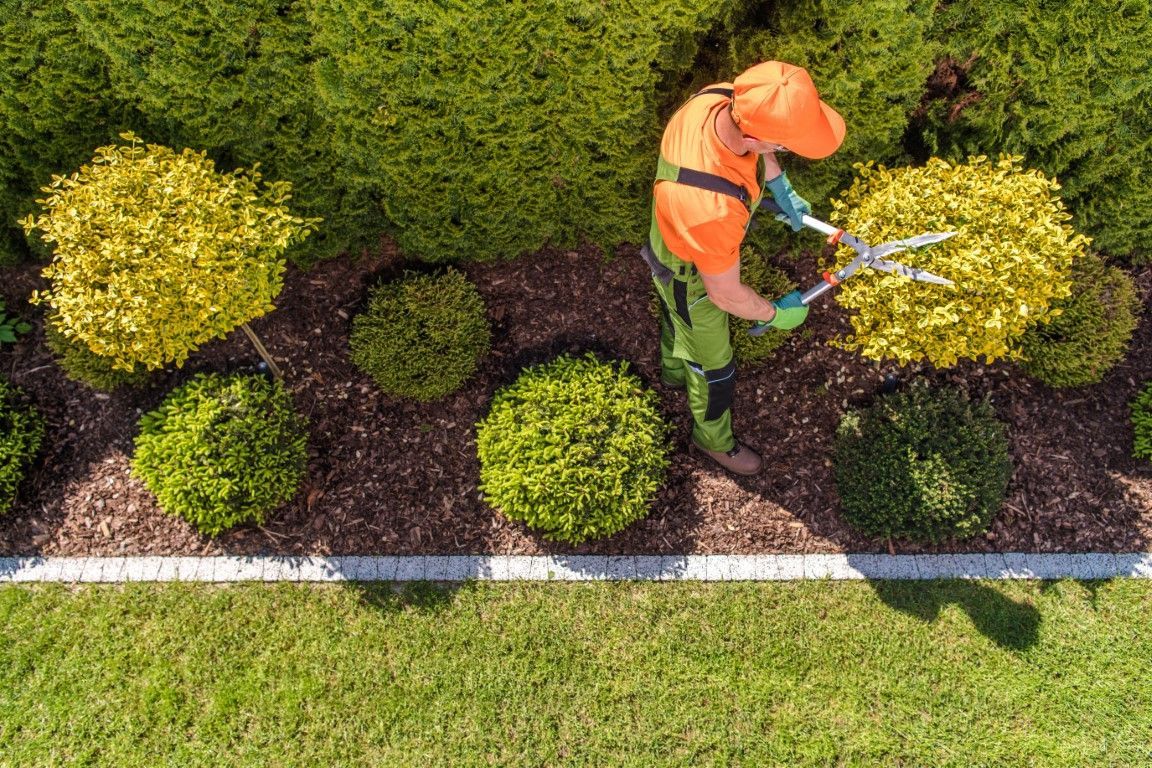
Arborvitae, yew and boxwood are commonly shaped as hedges, but each responds somewhat differently. A light trim after the spring flush has hardened, often in early or midsummer, can maintain form without encouraging a wave of late tender growth. Formal hedges may need more than one light trim in a growing season; informal shrubs usually need less.
Avoid cutting into old bare wood on many evergreens, because some may not fill back in readily. Keep the top of a hedge slightly narrower than the base so lower branches receive light. Clean, sharp tools create neater cuts and reduce tearing. Do not shear in hot, dry weather when plants are already stressed, and avoid late-fall shaping that leaves soft regrowth vulnerable to winter injury.
Use light maintenance cuts throughout the year
Pruning to remove a broken, dead or hazardous branch is different from routine shaping. Damaged wood can often be removed when it is noticed, provided conditions are safe and the cut can be made properly. Start by locating the branch collar and avoid leaving a stub or cutting flush to the trunk. Large limbs near wires, buildings or roads are work for a qualified tree professional.
For regular maintenance, remove crossing branches, suckers or shoots that clearly disrupt the plant’s form. Make a few selective cuts rather than shearing off the outer surface repeatedly. Shearing can create a dense shell of foliage while the interior becomes shaded and bare. It may also make the shrub look unnaturally squared off.
Know when to leave the plant alone
Late fall is generally a poor time for major pruning in Michigan. Cuts can stimulate new growth that has little time to harden before freezing temperatures. Heavy trimming during extreme summer heat can also add stress to a shrub already losing water. If a plant is healthy and does not block access or create a hazard, waiting for the correct pruning window is often the best choice.
Avoid removing a large share of a shrub’s live growth in one session unless you are following a species-specific rejuvenation plan. A common rule of thumb is to avoid removing more than about one-third at once, but some shrubs require a different approach. Repeatedly topping a shrub will not reliably make it smaller long-term; choose a plant suited to the available space or renovate it correctly.
Match the tool to the branch
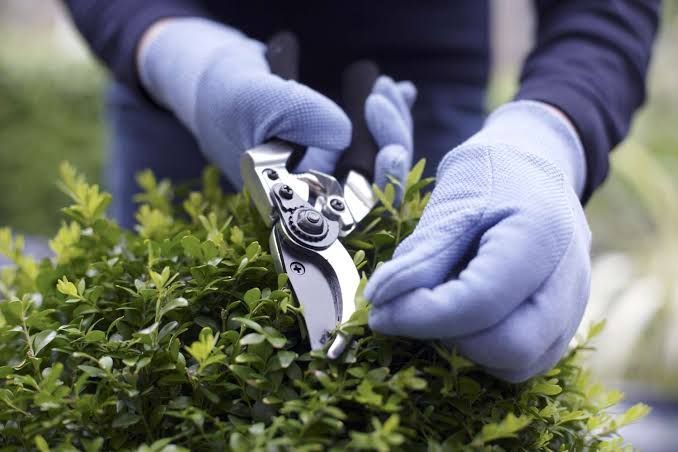
Hand pruners are suited to small stems, loppers to thicker branches and pruning saws to larger limbs within safe reach. Tools should be sharp and appropriate for the size of the cut. Disinfect tools between plants when you are dealing with suspected disease, following extension guidance for an effective sanitizer and contact time. This helps avoid spreading problems through the garden.
Do not use hedge shears for every job. A hedge trimmer is efficient on a formal hedge, but it can tear broad leaves or cut through flower buds on a mixed shrub border. On plants with large leaves, hand-prune above a leaf node for a cleaner appearance. Remove clippings from paths and lawns, and dispose of diseased material according to local guidance rather than leaving it in the bed.
Schedule pruning around the plant, not the calendar
A seasonal schedule is a starting point. Weather can shift bloom dates, and shrubs in a sheltered urban yard may grow differently than those on an exposed site. Keep a simple note of when each shrub flowers and when it was trimmed. That record makes next year’s timing easier to plan and helps explain why a shrub did not bloom.
When a hedge has become overgrown or a shrub has not been pruned for years, the right method may be restoration pruning rather than a quick cutback. A hedge trimming service in Southfield MI can help with height, access and cleanup, but the crew should identify the plant and explain how the timing affects flowering before making major cuts.
A healthier shape starts with restraint
The best pruning usually goes unnoticed: shrubs keep their natural form, paths remain clear and flowers return when expected. Identify the plant, understand whether it blooms on old or new wood, and make cuts at the right time. Avoid treating every shrub as if it were a clipped hedge.
- If you have several different species or a large property, divide the work through the year. Spring bloomers can be addressed after flowering, many summer bloomers while dormant, and evergreen hedges after their new growth has hardened. With that plant-by-plant approach, your shrubs can stay attractive without losing the blooms and structure that make them worth growing.
For more articles on landscaping, garden maintenance, and hardscaping, click here.
Southfield Landscaping serves homeowners and businesses with lawn care, hardscaping, drainage, and year-round property care. We offer Lawn Care services to help you build the outdoor space of your dreams.