What to Plant in Michigan in October: Bulbs, Perennials, Trees, and Shrubs That Can Still Thrive
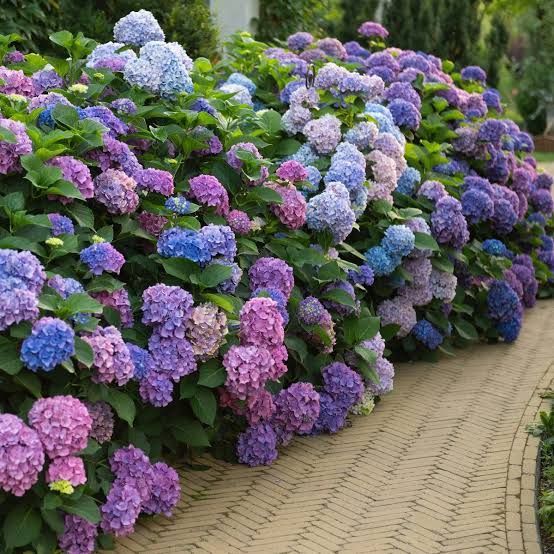
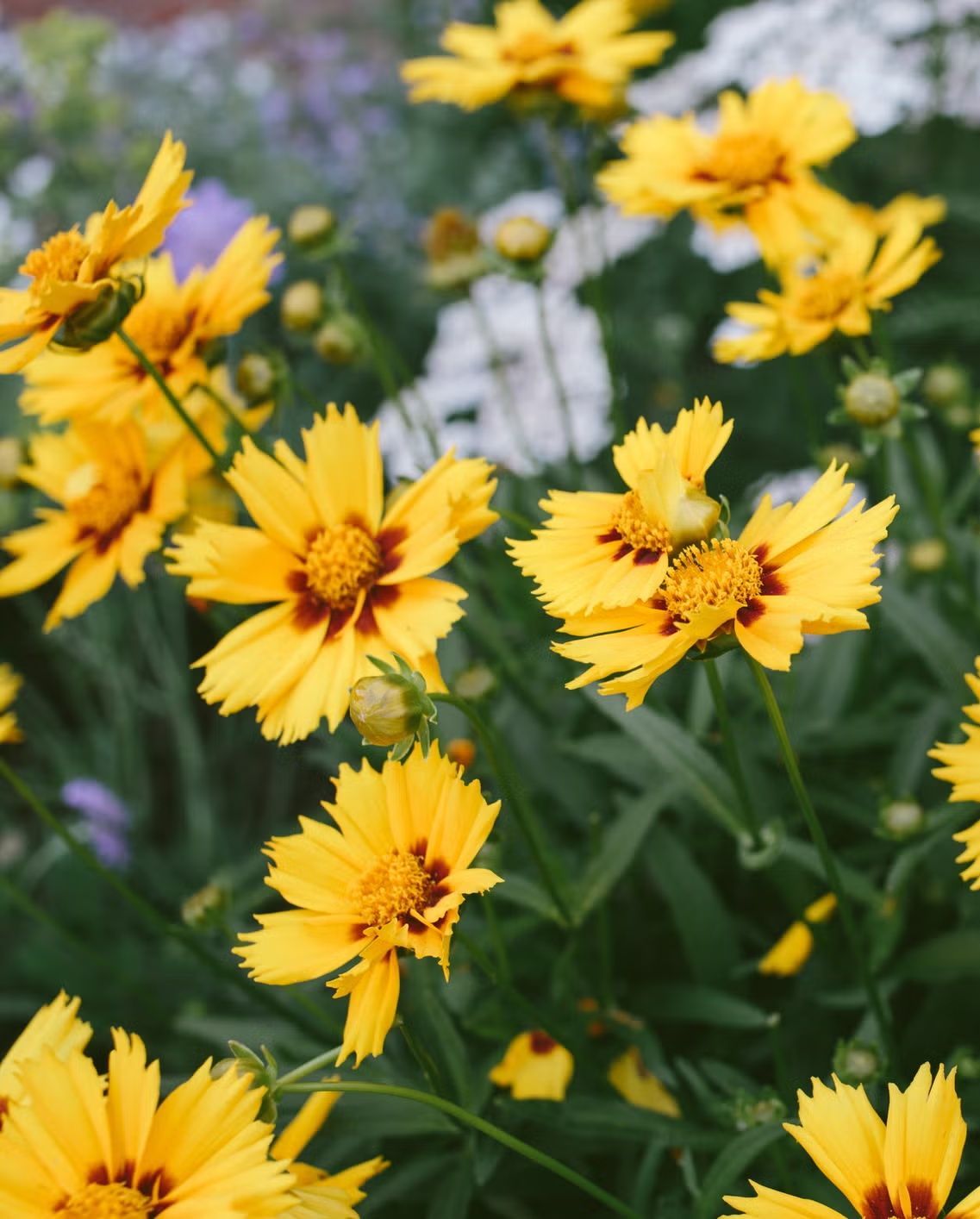
October can still be a productive planting month in Michigan—but the best choices are plants that can establish roots in cool soil before it freezes. The calendar alone does not decide whether a planting will succeed. Your part of the state, soil drainage, the condition of the plant, and how much time remains before the ground freezes all matter. For most homeowners in southeast Michigan, October is especially useful for spring-flowering bulbs and can still work for many hardy perennials, trees, and shrubs early in the month.
1. Spring-Flowering Bulbs: The Classic October Job
Tulips, daffodils, crocuses, alliums, and many other spring-flowering bulbs are designed to spend winter underground. Planting in fall gives them time to begin root growth while the soil is still workable; winter chilling then helps prepare many kinds of bulbs to flower in spring. October is often a practical window in Michigan, though the best timing shifts with weather and location. Michigan State University Extension identifies October as an ideal time for many overwintering bulbs, including deer-resistant choices.
Choose firm bulbs without soft spots or mold. Plant them in soil that drains reasonably well, at the depth and spacing on the package—often about two to three times the bulb’s height, but follow the instructions for the species. Most spring bulbs flower best with good sunlight, especially before deciduous trees leaf out. Avoid low pockets that stay saturated; bulbs sitting in cold, waterlogged soil are more likely to rot. If squirrels are a problem, cover newly planted areas with a temporary piece of mesh or choose less appealing bulbs such as daffodils and ornamental alliums.
2. Hardy Perennials: Possible, with a Sensible Deadline
Many hardy perennials can be planted in early fall, and some can still be planted in October if the soil is workable and the forecast offers a reasonable establishment window. Coneflowers, black-eyed Susans, daylilies, hostas, and other zone-appropriate perennials may be candidates, but do not treat this as a guarantee for every plant or every October. Small, recently divided, stressed, or tender plants need more caution than healthy nursery-grown perennials with established root systems.
The goal is not to encourage fresh top growth; it is to keep roots moist and in contact with soil while the plant settles in. Water thoroughly after planting, then check soil moisture regularly. A light layer of mulch can buffer temperature swings, but keep mulch away from crowns and stems. If the ground is already cold, saturated, or close to freezing, it is often wiser to postpone a marginal planting until spring than to rush it into poor conditions.
3. Trees and Shrubs: Timing and Technique Matter More Than Size
Early fall is often a useful time to plant or move many deciduous trees and shrubs because cooler air reduces heat stress while roots may continue growing as long as the soil is not frozen. But October is not equally suitable for every species. Broadleaf evergreens and conifers can be more vulnerable to winter drying, and late planting leaves less time for roots to establish. Ask a reputable nursery or local horticulture professional about the specific species and your site before committing to a large or expensive specimen.
Plant at the correct depth. The root flare—the point where the trunk widens into the main roots—should generally remain visible at or slightly above finished soil grade. Make the planting hole wider than the root ball, but do not dig it deeper than needed and then leave the plant to settle too low. Loosen circling roots when appropriate, remove containers and synthetic wrapping, and follow sound guidance for any burlap or wire basket. Backfill primarily with the native soil rather than creating a small pocket of rich amended soil that roots may struggle to leave.
Water the root ball and surrounding soil thoroughly after planting. Continue checking moisture through fall, including during dry stretches; rainfall that wets the lawn’s surface may not fully moisten a tree’s root zone. Keep mulch a few inches away from the trunk and avoid piling it against bark. Newly planted trees may need protection from deer, rabbits, road salt, and winter winds, depending on location and species.
4. Garlic and Cool-Season Crops: A Separate Kind of Fall Planting
If you grow food, October can also be the right time to plant garlic in many parts of Michigan before the ground freezes. Garlic is typically planted in fall for harvest the following summer. Local timing varies, so use regional guidance and plant cloves in well-drained soil with enough time to settle before winter. Fall vegetable timing is more sensitive to frost dates and days to maturity; for leafy greens or other crops, check a Michigan-specific planting calendar rather than assuming October is suitable everywhere.
What Should You Avoid Planting Late in October?
Avoid treating a warm afternoon as proof that a plant has enough time to establish. Tender annuals, heat-loving vegetables, and plants poorly suited to Michigan winters are not good bets simply because they look healthy at the garden center. Be cautious with late-season planting of broadleaf evergreens, large root-balled specimens, and plants that are already stressed or root-bound. And do not plant into frozen ground, a saturated hole, or a spot where water routinely stands.
A Quick Checklist for October Planting
- Match the plant to your local hardiness zone, sun exposure, mature size, and soil drainage.
- Check the root ball and foliage before buying; avoid plants with damaged roots or signs of disease.
- Plant while the soil is workable, at the correct depth, and without burying the root flare or crown.
- Water deeply after planting and keep checking moisture until the ground freezes.
- Mulch lightly to moderate temperature swings, keeping it clear of trunks and plant crowns.
- Protect vulnerable plants from deer, rabbits, salt spray, and drying winter winds where needed.
The Bottom Line
In Michigan, October is often best used for spring bulbs and can still be suitable for many hardy perennials, trees, and shrubs—especially earlier in the month and where drainage is good. The closer winter gets, the more important species selection, plant condition, and aftercare become. If you are unsure whether a particular tree or shrub is a good late-season choice, get advice specific to the plant and your site rather than relying on a statewide calendar alone.
Helpful Michigan Resources
- Michigan State University Extension: “Smart gardening with deer: Deer-resistant bulbs to plant in fall” — https://www.canr.msu.edu/news/smart_gardening_with_deer_deer_resistant_bulbs_to_plant_in_fall
- Michigan State University Extension: “Fall yard and garden cleanup tips” — https://www.canr.msu.edu/news/october_gardening_tips
- Michigan State University Extension: Trees & Shrubs resources — https://www.canr.msu.edu/home_gardening/trees-shrubs
- Michigan State University Extension: Lower Peninsula Michigan Gardening Calendar — https://www.canr.msu.edu/home_gardening/uploads/files/Lower%20Peninsula%20Michigan%20Gardening%20Calendar.pdf
For more articles on landscaping, garden maintenance, and hardscaping, click here.
Southfield Landscaping serves homeowners and businesses with lawn care, hardscaping, drainage, and year-round property care. We offer
Lawn Care services to help you build the outdoor space of your dreams.