September Planting in Michigan:
A Practical Guide to What Still Has Time
September is a useful window, not a guarantee
Michigan gardeners do not have to stop planting when summer ends. September often brings cooler days and warm soil, a combination that can help hardy plants settle in with less heat stress. Trees, shrubs, perennials, ornamental grasses and spring bulbs can all be part of a fall landscape plan. The calendar alone cannot tell you how late is too late, though. Location, forecast, plant hardiness and the condition of the soil all matter.
The Upper Peninsula and northern Lower Peninsula typically enter cold weather sooner than the southern counties. Within the same neighborhood, a sheltered bed beside a house can differ from an exposed, windy slope. Use local conditions to decide what to plant and how much aftercare you can provide.
Understand your Michigan hardiness zone
Plant hardiness zones estimate average annual extreme minimum winter temperatures. They help screen plants for cold tolerance, but do not predict every freeze, thaw, wind exposure or soil problem. Michigan spans several zones, so a plant that reliably winters over in a protected southern Michigan yard may be less dependable farther north or in an exposed site.
Use a current zone map as a starting point, then consider microclimate. A south-facing foundation bed may warm early, while a low area that collects cold air can stay colder. Road salt, reflected heat, wind and snow piling also affect plant survival. For a long-lived tree or shrub, check reliable local guidance on mature hardiness instead of relying on a nursery tag alone.
Why fall planting can work
Early fall can reduce the stress that comes with hot afternoons and dry summer air. Soil often remains warm after evenings cool, giving roots time to grow while the plant’s top growth slows. That can be helpful for hardy trees, shrubs and perennials installed early enough to establish before the ground freezes.
New plants are not self-sufficient, however. Their root systems are still concentrated in the original root ball, and rain may not reach it. Water thoroughly after planting and keep monitoring through dry periods. As the season advances, the margin for error shrinks. If a plant is marginally hardy or the site is exposed, spring planting may be the safer choice.
Choose plants by site before shopping
Start with the conditions you have: hours of sun, drainage, soil texture, mature space, salt exposure and browsing pressure. A sunny bed with fast-draining soil can support different choices than heavy clay beneath a maple. Plants that tolerate shade may still struggle with dry soil beneath established tree roots. Matching the plant to the site reduces the chance of winter loss and repeated replacement.
For a landscape planting plan for a Michigan yard, group plants by similar needs and account for mature width. A bed should have a clear structure: taller plants toward the back or as focal points, medium-height plants through the middle and low groundcovers at edges. Avoid filling every gap with a small plant; roots and branches need room as the design matures.
Perennials for color and structure
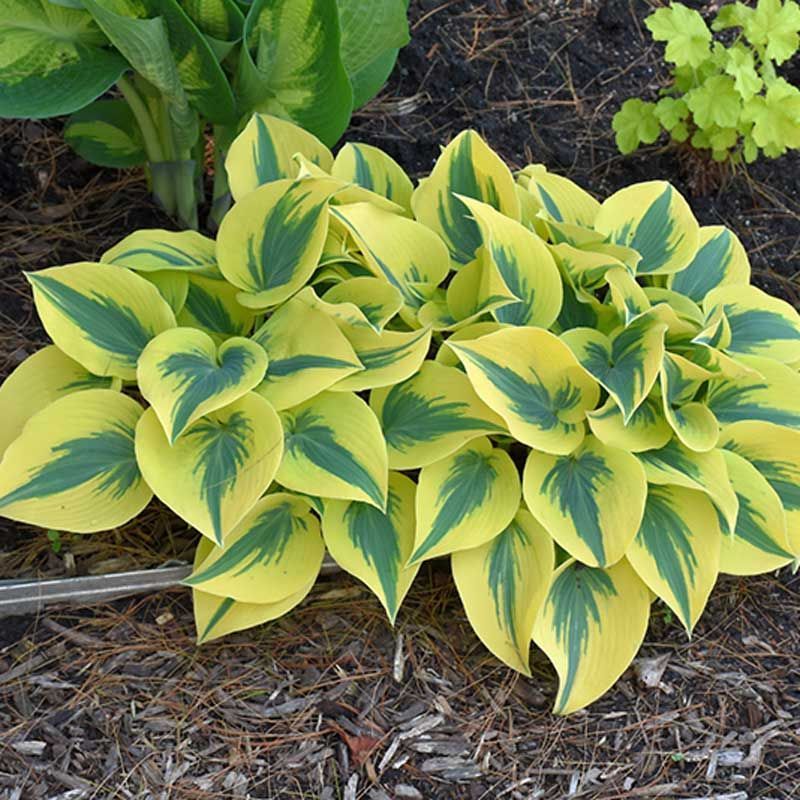
Hardy perennials such as coneflower, black-eyed Susan, sedum, hosta and coral bells can suit many Michigan gardens when matched to the right sun and moisture conditions. They are not interchangeable: hostas prefer shade and consistent moisture, while many sedums need sun and better drainage. Check the plant label and local performance before buying.
Plant early enough to water the root zone through fall. Set each perennial at the same depth it grew in its container, firm soil gently around the roots and water it in. A light mulch layer can help buffer soil temperature, but keep it away from crowns. If a perennial is in bloom or visibly stressed late in the season, avoid forcing it into a new site; wait for a better planting window.
Ornamental grasses and shrubs
Ornamental grasses can provide height and movement, and some hold attractive seed heads into winter. Choose varieties suited to the space and light; a grass that begins as a compact plug may become a broad clump. Leave adequate room from paths, windows and neighboring plants. Grasses that are borderline hardy or planted very late need more caution than established species in a protected bed.
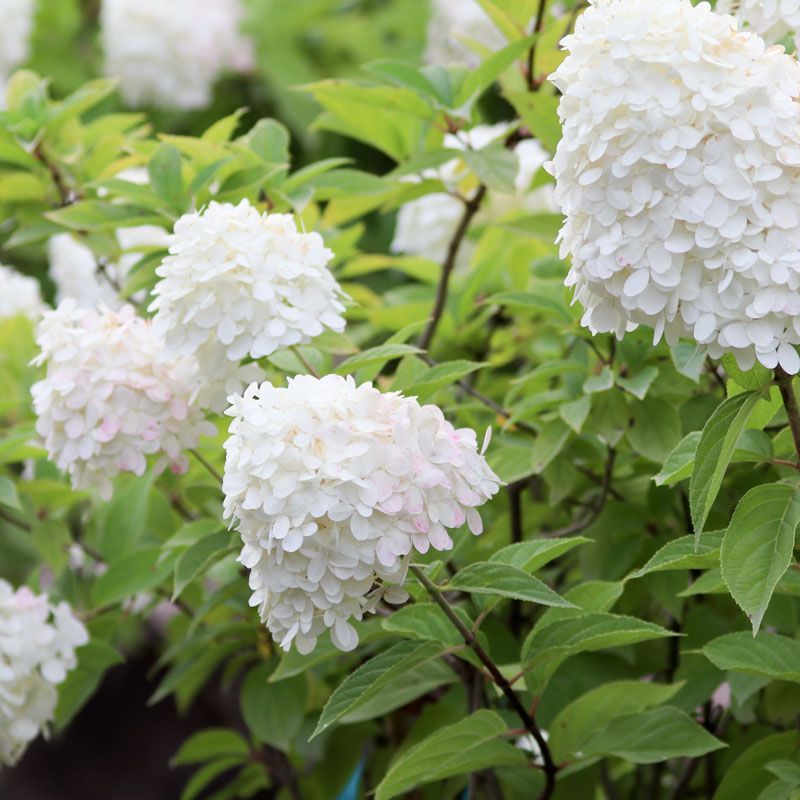
Shrubs bring structure, screening and seasonal interest. Hydrangeas, ninebark and viburnums include many varieties with different mature sizes, bloom habits and site needs. Check the specific cultivar rather than assuming every member of a genus performs the same way. A shrub placed too close to a foundation or under an eave can become a recurring pruning or watering problem.
Trees need thoughtful planting and aftercare
September can be a good time to plant many hardy trees, provided there is enough of the season left for establishment. Consider mature height and spread, overhead wires, underground utilities, buildings and the tree’s natural root zone before you dig. A tree should not be selected solely because it looks small at the nursery.
Dig a broad hole no deeper than the root ball, locate the trunk flare and keep it at or slightly above finished grade. Remove containers and address circling roots. Backfill with native soil, water to settle it and mulch the root zone without piling material against the trunk. Monitor moisture until freeze-up. Staking is only needed when stability or exposure calls for it; ties should allow some trunk movement and should not remain indefinitely.
Plan spring flowers while planting in fall
Many spring-flowering bulbs are planted in autumn so they receive a cold period before growth. Tulips, daffodils, crocuses and alliums can be layered into perennial beds or planted in focused groups for a stronger spring display. Follow the package for depth and spacing, and select varieties suited to the site’s drainage and sunlight.
In heavy clay, avoid placing bulbs where winter water sits. Amend the planting area broadly or choose a raised, well-drained location rather than filling a small hole with a different soil mix. Water after planting if the ground is dry, then keep the area marked through spring cleanup. Bulbs can provide early color while shrubs and perennials are still waking up.
Prepare the soil and plant correctly
Do not dig or cultivate heavy soil when it is saturated. Working wet clay can compact and smear it, leaving roots with less air and drainage. If the site is dry enough, loosen the planting area and mix organic matter broadly into a bed where appropriate. Avoid over-amending an isolated hole, which can create a water-holding pocket surrounded by dense native soil.
Plant at the correct depth, spread roots where possible and water thoroughly. Apply mulch in a consistent layer while leaving clearance around trunks and stems. Keep the planting bed free of weeds and watch for erosion on slopes. Good installation helps, but aftercare—especially moisture management—determines whether the plant has a reasonable start.
Know when to postpone
Wait until spring if the ground is already too cold or wet to work, the plant is tender for your zone, or there is not enough time to establish it. A plant that is root-bound, drought-stressed or damaged may not benefit from a late-season move. Large landscape projects also require realistic time for utility marking, grading and drainage work; rushing these steps can create years of maintenance.
- September remains a valuable planting month across much of Michigan, but it is not a universal deadline. A short site review can clarify whether to install now, choose a more resilient plant or wait. When the choice fits the location and the roots are cared for through fall, planting before winter can give a landscape a head start on next year.
For more articles on landscaping, garden maintenance, and hardscaping, click here.
Southfield Landscaping serves homeowners and businesses with lawn care, hardscaping, drainage, and year-round property care. We offer Lawn Care services to help you build the outdoor space of your dreams.