
Ornamental Grasses for Michigan Landscapes:
Texture Movement and Winter Form
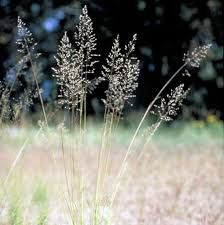
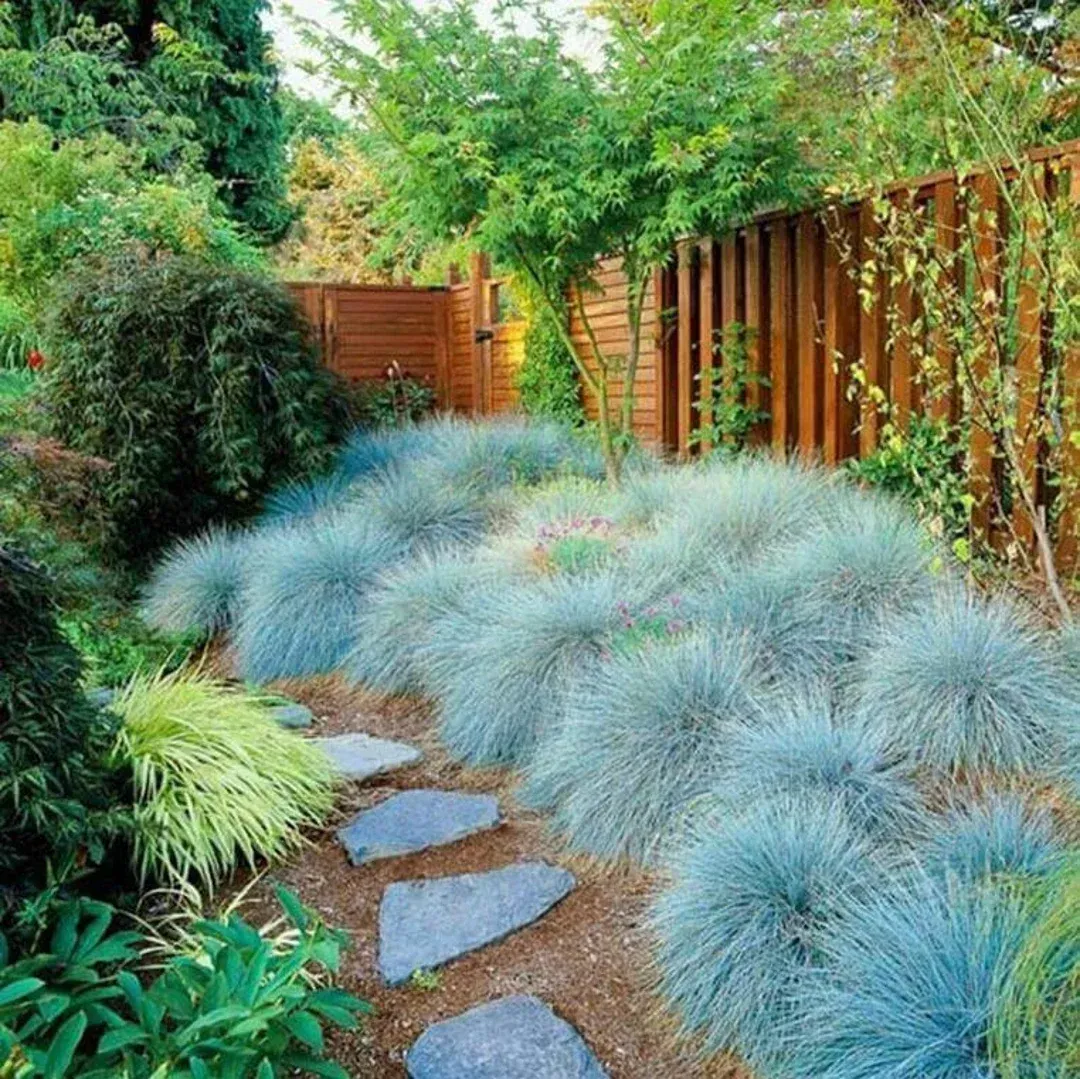
A landscape needs more than flowers
Flowers draw the eye, but a garden also depends on shape, texture and structure. Ornamental grasses bring all three. Their narrow leaves contrast with broad-leaf shrubs and perennials, and their stems move with the breeze in a way that makes a static bed feel alive. Many also keep a strong silhouette after flowering, adding interest after the summer display has faded.
For homeowners looking for low maintenance landscaping ideas in Michigan, grasses can be useful when the species and placement suit the site. They are not maintenance-free, and not every grass tolerates the same winter conditions, soil or moisture. The best choices are those that fit the space and are easy to maintain at their natural size.
Use texture and movement intentionally
Fine-textured foliage can soften a hard edge along a walkway or patio. A clump of upright grass can balance rounded shrubs, while an arching variety can ease the transition between a bed and lawn. Repeating a grass in several places helps tie a planting plan together. Used sparingly, it can act as a focal point; planted in a broad mass, it can create a calm, natural rhythm.
Think about how the plant looks from inside the house as well as from the street. Taller grasses can frame a view or screen an unattractive feature, but they should not block windows, paths or sightlines near a driveway. If the grass will sit beside a patio, consider whether its flower plumes release seed or whether its leaves could brush against seating.
Choose by mature size, not the nursery pot
A small container can hide the eventual scale of a grass. Before buying, check mature height and width, including the flower stalks. A clump that expands into a walkway or swallows a smaller perennial will need repeated division or removal. Leave room for airflow and access to nearby plants.
Upright feather reed grass cultivars can suit narrow spaces, while switchgrass and little bluestem may work in more naturalistic plantings. These names cover multiple cultivars with different sizes, colors and habits, so confirm the specific variety. Some warm-season grasses emerge later in spring than cool-season grasses; a gardener may mistakenly think they failed if the bed is cut back or replanted too early.
Match grass to sun, soil and moisture
Most ornamental grasses perform best when their light and soil needs are met. Many popular landscape types prefer full sun and well-drained soil, but shade-tolerant sedges and other grass-like plants can fill different roles. A dry, sandy slope calls for different choices than wet clay beside a downspout. If a bed stays soggy after rain, solve the drainage issue before relying on a plant selection to fix it.
Michigan’s freeze-thaw cycles, snow load and road salt also affect placement. Avoid putting a brittle grass where plows routinely throw snow or salt. For a roadside bed, choose species that can tolerate exposure and give them room away from pavement. Check for invasive or aggressive species before planting; some ornamental grasses spread or self-seed beyond the intended bed.
Plan a composition with companion plants
Grasses work well alongside flowering perennials because the forms complement each other. Coneflowers and black-eyed Susans bring broad leaves and blooms; salvia or catmint can create a lower, softer edge; hydrangeas add larger structure. The exact combination should reflect the bed’s sun, moisture and mature sizes rather than a shopping list of attractive plants.
Use a simple hierarchy: one or two structural forms, a limited set of mid-height plants and a ground-level edge. Repeating colors and shapes helps the bed feel intentional. Plant in groups rather than placing one of every species in a row. Grasses can anchor the composition, but too many different varieties create visual clutter and make maintenance harder.
Four-season interest has limits
Many grasses look fresh in spring and summer, develop plumes or warm foliage in late summer and fall, then retain a standing form in winter. Frost and snow can highlight the seed heads and stems. That winter structure is one reason some gardeners delay cutting grasses until early spring.
Not every grass remains upright all winter. Heavy snow or ice can flatten a clump, and some grasses turn untidy after their first cold season. If a grass is beside a frequently used path or entrance, you may prefer to cut it back after it has finished its display. The choice is aesthetic as well as practical. Do not leave diseased or severely damaged material where it could harbor problems.
Keep maintenance simple and timely
Most established clumping grasses need a cutback once a year, usually before new shoots emerge in spring. Tie the old foliage together before cutting to make cleanup easier, and use clean, sharp tools. Avoid cutting so low that you damage new growth or the plant’s crown. Evergreen or semi-evergreen species may need only light cleanup, so learn what you have before treating every clump alike.
Water new plantings through their first growing season and during extended dry periods. Once established, some varieties tolerate drought better than thirsty annuals, but drought tolerance depends on species and site. Divide overgrown clumps when their center becomes sparse or the plant outgrows its space. Division is easier when the plant is actively growing and the soil is workable, not during a heat wave or when the ground is frozen.
Avoid common design and planting problems
One frequent mistake is choosing by flower color alone. A tall variety in a narrow bed can quickly overwhelm it, while a sun-loving grass in shade may flop or thin. Another is planting too many varieties without repetition. A third is assuming that every grass is native or harmless to the surrounding landscape. Research the mature habit and ecological status of the exact species or cultivar.
Plant at the same depth as the container, water in thoroughly and mulch without burying the crown. Keep the clump clear of tree trunks and avoid placing it where water drains from a roof. If a grass is spreading by seed into paths or neighboring beds, remove spent plumes before seed matures or select a more contained variety.
Where grasses add the most value
Use ornamental grasses where their form solves a design need: to soften a retaining wall, bring vertical lines to a low bed, screen a utility feature, or add winter shape near a window. They can also help create movement in a planting beside a patio or along a front walk. Make sure the selected height does not obscure a porch, address sign or driver’s view.
The most effective low maintenance planting is designed around mature plants, not temporary gaps. A thoughtful mix of grasses and perennials can offer changing color without demanding constant trimming or replanting. If you are planning a new bed, sketch the boundaries, note sun and drainage, then use a small, repeated plant palette suited to your property.
A versatile plant when the fit is right
Ornamental grasses offer a distinctive combination of movement, texture and seasonal structure. They can connect a formal garden to a more natural planting, complement flowers and soften hard surfaces. Their care is often straightforward once established, but success still depends on selecting a hardy variety, giving it enough space and pruning it at the appropriate time.
- For a Michigan landscape, treat grass as a design element with a specific role. Choose based on the site and the view you want to create, then maintain it according to its growth habit. That approach produces a bed that feels balanced in July and still has a reason to be noticed after the flowers are gone.
For more articles on landscaping, garden maintenance, and hardscaping, click here.
Southfield Landscaping serves homeowners and businesses with lawn care, hardscaping, drainage, and year-round property care. We offer Lawn Care services to help you build the outdoor space of your dreams.