
Sod Seed or Grading: Choosing the Right Lawn Solution for a Royal Oak Yard
Start with the reason the lawn is struggling
Bare patches, thin turf and standing water can all make a lawn look like it needs new grass. The visible symptom does not always point to the right fix. If water repeatedly pools, runoff flows toward the house or grass fails in one low area, grading or drainage may need attention before any seed or sod goes down. If the grade is sound and the lawn is simply thin, overseeding may be enough. A fully worn or newly constructed yard may call for new sod or a complete seeding project.
A good lawn plan starts with the site and the cause of the problem. Installing fresh grass over a drainage issue may improve the appearance briefly, but the same conditions can weaken the new turf. Choose the approach after looking at soil, slope, sunlight, access and how quickly you need the space to be usable.
Why grading comes first
Grading shapes the land surface so water moves away from buildings and does not collect in persistent low spots. A lawn should not be perfectly flat if that directs runoff toward the foundation. The goal is a stable, appropriate slope that works with the rest of the property and does not send water onto a neighbor’s lot or create erosion elsewhere.
Before reshaping a yard, identify where roof runoff, downspouts and existing drains send water. In compacted or clay-heavy soils common in parts of Southeast Michigan, water can move slowly and surface problems may have more than one cause. A professional can assess elevations and decide whether a modest grade correction is sufficient or whether a separate drainage solution is needed. Utilities should be located before digging.
When sod makes sense
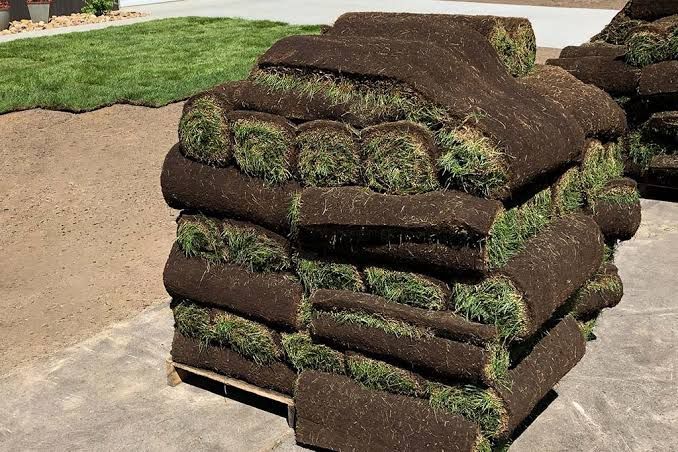
Sod provides an immediate green surface and can be useful when a homeowner needs fast visual results, when a larger bare area needs coverage or when a site is being renovated. A successful installation still depends on preparation: debris and old turf must be removed, the grade corrected, soil made suitable for rooting and the surface smoothed. Sod laid over ruts, compacted soil or standing-water areas will not solve those underlying issues.
Fresh sod is living plant material. Its roots need to knit into the soil below, so it must be watered consistently during establishment. The exact schedule depends on weather, soil, sun and how quickly the sod dries. Lift a corner occasionally to check whether the underside and soil are moist, then adjust watering so the root zone receives water without staying saturated. Avoid heavy use until the turf is anchored.
When seeding or overseeding is a better fit
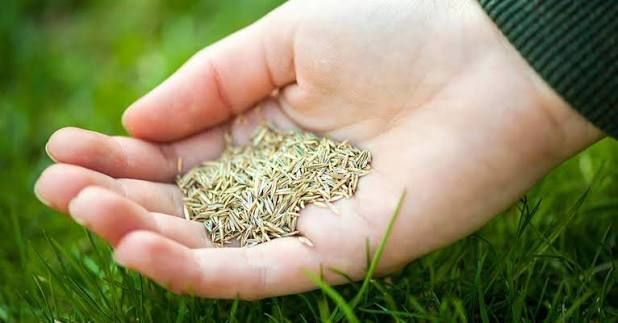
Seed can be a practical choice for repairing small bare patches, thickening a thin lawn or establishing turf across a prepared area when there is time for germination and growth. Overseeding adds seed to existing turf; it does not replace dead grass or correct a drainage problem. For seed to establish, it needs contact with soil, the right temperature and regular moisture during germination.
Michigan’s cool-season grasses generally establish best during a suitable late-summer or early-fall window, but the exact timing varies by region and weather. Seed placed too late may not develop enough before winter. In spring, seed may compete with weeds and face hotter, drier weather soon afterward. Follow seed-label directions for species, rate and watering rather than applying a blanket schedule.
Prepare the soil carefully
Soil preparation is often less visible than the finished lawn, but it determines whether roots can grow. Remove construction debris, loosen compacted areas where appropriate and avoid working saturated clay, which can smear and compact further. Add topsoil only when needed and blend it with the existing grade to avoid creating a sharp interface that holds water. The final surface should be even enough for mowing without creating a flat basin.
If the project involves a large area, check for buried utilities and confirm where drainage can safely discharge. Make sure irrigation heads and sidewalks are accounted for in the finished grade. Small high and low spots can become trip hazards, puddles or mowing problems once the lawn is in place.
Match grass to light and use
A sunny front lawn, a shaded strip under mature trees and a high-traffic play area do not have the same needs. Cool-season grass blends vary in shade tolerance, wear recovery and appearance. Choose a seed or sod variety suited to the site and the level of use. Even shade-tolerant turf may thin under dense trees where roots compete for water and leaves block light.
Consider the time available for establishment. Seed may take weeks to fill in, while sod provides coverage sooner but requires careful aftercare. If construction left compacted subsoil or changed the drainage pattern, address those conditions first. Good material cannot overcome a poorly prepared site.
Establishment care is part of the installation
For newly seeded areas, keep the surface consistently moist during germination, using light watering as directed by the seed supplier. Once seedlings emerge, adjust the schedule to encourage deeper rooting without letting the soil dry out. Limit foot traffic until grass is established and mow only when seedlings have reached an appropriate height and the ground is firm enough.
For sod, water soon after installation and continue checking the root zone as the turf knits in. Avoid overwatering, which can reduce oxygen in the soil and invite disease. Mow when the sod resists a gentle tug and the grass is tall enough for a safe cut. The installer should explain care steps for the particular variety and season; follow those directions as weather changes.
Common mistakes that waste time and money
A frequent mistake is replacing turf before correcting the cause of failure. Others include laying sod on unprepared or uneven ground, spreading seed without soil contact, watering by the clock instead of checking moisture, and choosing a grass mix without considering shade or traffic. Attempting a major grade change without checking utilities or runoff paths can create new problems and damage.
It is also easy to underestimate how much aftercare a new lawn needs. A calendar reminder is useful, but weather should guide the actual schedule. Wind, sun, soil texture and rainfall can change how quickly the surface dries. Check the soil and keep establishment instructions accessible through the first several weeks.
Plan a full-service lawn project
A contractor who handles grading, soil preparation and turf installation can coordinate the steps and reduce handoffs between crews. Ask what is included in the estimate: removal, topsoil, grading, seed or sod type, disposal, watering guidance and restoration of affected beds or walks. For homeowners comparing sod installation in Southfield MI with other lawn options, a site visit can show whether the visible lawn problem begins with the turf or with the ground beneath it.
- The right solution is the one that addresses the cause, fits the season and can be maintained after installation. Correct the grade where needed, choose seed or sod for the site and give the new lawn enough time and water to establish. With those decisions in order, the result has a better chance of staying healthy beyond the first green week.
For more articles on landscaping, garden maintenance, and hardscaping, click here.
Southfield Landscaping serves homeowners and businesses with lawn care, hardscaping, drainage, and year-round property care. We offer Lawn Care services to help you build the outdoor space of your dreams.